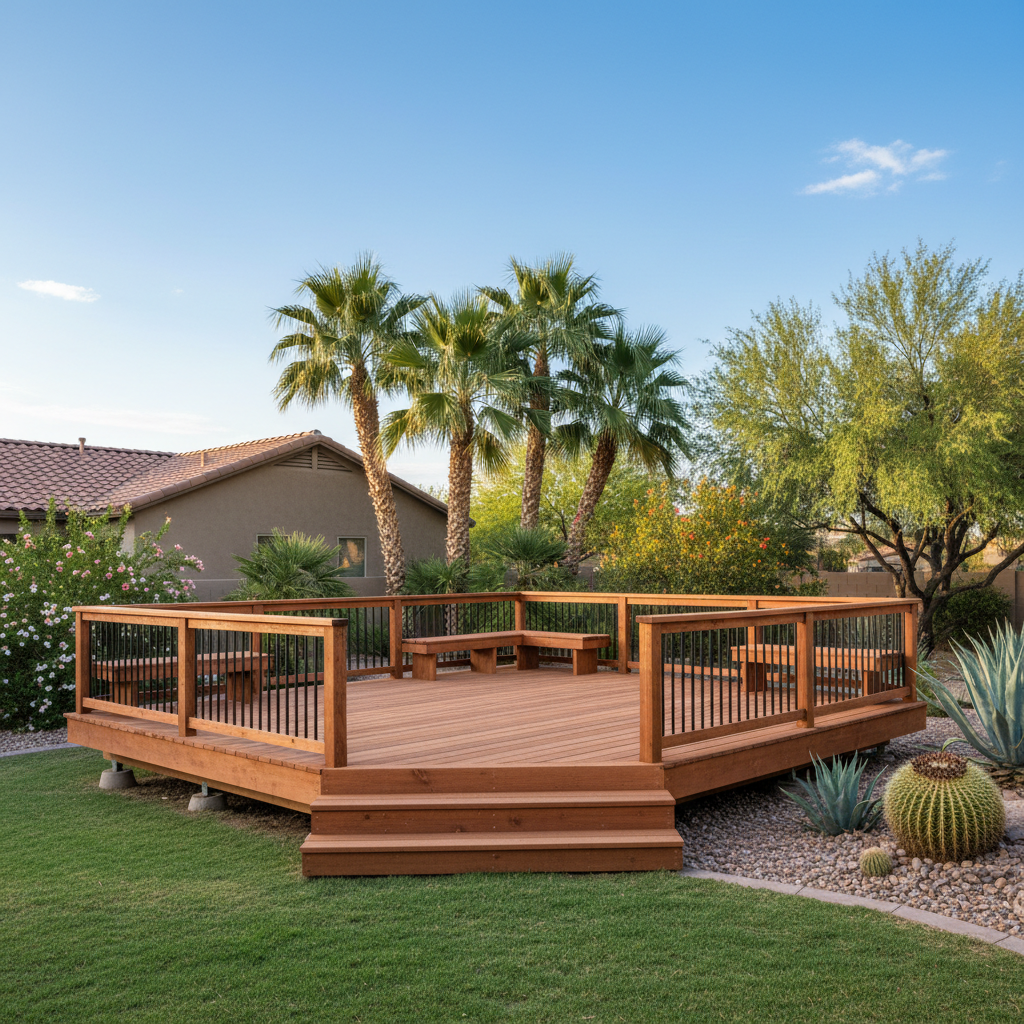
When's the best time to build or refinish a deck in Phoenix? That's a question I get a lot, and honestly, it's not as straightforward as you might think. Our unique desert climate means we've got to think differently about wood decks than folks up north or on the coast. It's not just about the heat; it's the intense UV, the dust, and those wild monsoon storms that really put a beating on outdoor structures.
Understanding Phoenix's Climate & Your Deck
Our summers here are brutal. I'm talking about 115-degree days that bake everything. That kind of heat isn't just uncomfortable for us; it's incredibly hard on wood. It dries it out, causes it to crack, and makes finishes fail prematurely. Then you've got the dust, especially during those haboobs, which can abrade surfaces and work its way into every crevice. And let's not forget the monsoon season, bringing sudden, heavy downpours and humidity spikes that can cause wood to swell and warp.
Because of all this, timing is everything for deck work. You wouldn't want me staining your deck in July, for example. The stain would dry too fast, not penetrate properly, and you'd end up with a splotchy mess that won't last. Likewise, building a deck when the ground is super dry and then suddenly getting a monsoon can lead to movement if the footings aren't properly designed for our expansive clay soils, common in places like Ahwatukee or the East Valley.
When to Schedule Your Deck Project
For new builds or major renovations, I usually recommend the cooler months. Fall through early spring is ideal. The temperatures are more moderate, which is better for the wood itself, for the sealants and stains to cure properly, and frankly, for my crew to work safely and efficiently. We're not fighting against the sun trying to cook us alive.
- Fall (October-November): Great for new construction. The ground is still warm enough for concrete to cure well, and the moderate temps are perfect for framing and finishing.
- Winter (December-February): Still good for building, especially if you're not dealing with a lot of rain. It's also prime time for repairs or replacing boards.
- Spring (March-April): Excellent for staining or sealing. The wood has had a chance to acclimate to cooler, drier air, and the temperatures are just right for finishes to penetrate and cure slowly, giving you a much more durable result.
- Summer (May-September): This is usually when I advise against major work if we can help it. If you absolutely need something done, we'll work around the earliest morning hours, but it's tough on everyone and everything. Minor repairs are sometimes unavoidable, but big projects? Let's wait.
Protecting Your Deck Year-Round
Once your deck is built or refinished, the work isn't over. Protecting your investment from our harsh climate is an ongoing battle. Here's what you need to do:
- Regular Cleaning: Dust is your enemy. It's abrasive and holds moisture against the wood. A good sweep or leaf blower regularly helps. For a deeper clean, a soft wash with a deck cleaner and a brush (not a pressure washer that can damage wood fibers!) once or twice a year, especially after monsoon season, makes a huge difference.
- Sealing/Staining: This is your deck's sunscreen and rain jacket. Depending on the product, you'll need to reapply a good quality stain or sealant every 1-3 years. I always recommend oil-based penetrating stains for our climate; they feed the wood and offer better UV protection than film-forming surface coatings. Check for water beading; if it's soaking in, it's time to reseal.
- Shade is Your Friend: If you can, incorporate shade elements like pergolas, shade sails, or even strategically placed trees. Less direct sun exposure means less UV damage and less thermal stress on the wood. It also makes your deck a lot more usable in the summer!
- Check for Damage: After every monsoon storm, take a walk around your deck. Look for loose boards, popped nails, or any signs of standing water. Address these issues quickly before they become bigger problems. Termites are also a constant threat here in Phoenix, so keep an eye out for any signs of activity, especially around posts or where wood meets the ground.
Taking care of a wood deck in Phoenix isn't for the faint of heart, but with the right timing and consistent maintenance, you can enjoy your outdoor space for many years. We've built plenty of decks that stand up to our climate, and I'm always happy to chat about what's best for your specific situation. Give Done Right Decks of Phoenix a call if you've got questions or need a hand.